

.jpg)


How Physically Demanding Is Yoga Teacher Training?
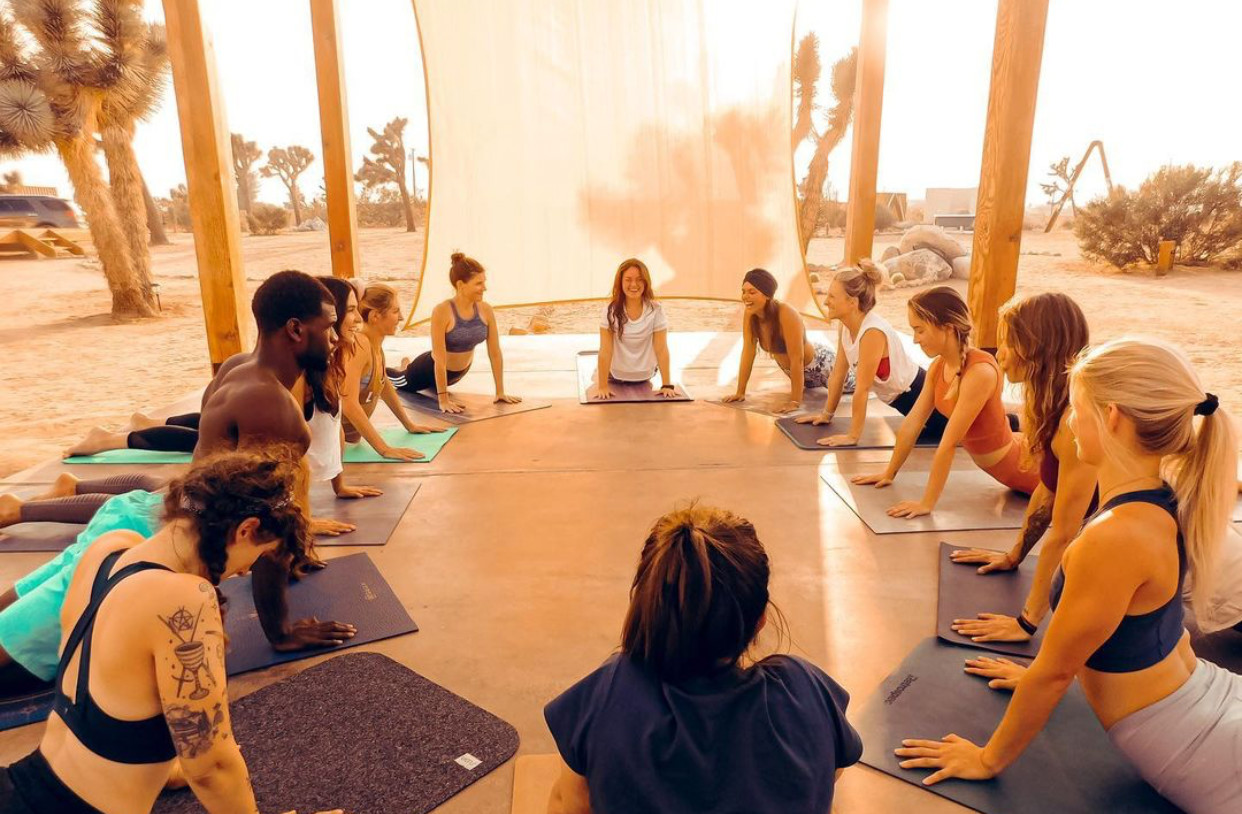
If you're considering enrolling in a yoga teacher training, one question probably comes to mind:
"Am I fit enough to do it?"
It's one of the most common concerns for prospective students, especially those who are newer to yoga or don't consider themselves particularly flexible or athletic.
The good news is that most yoga teacher trainings are far less physically demanding than people imagine.
While you'll spend plenty of time moving your body, the experience is designed to deepen your understanding of yoga—not test your physical limits.
Yoga Teacher Training Is More Than Just Asana
Many people assume a 200-hour Yoga Teacher Training consists of practicing yoga all day long.
In reality, the curriculum is incredibly diverse.
A typical training includes:
Yoga philosophy
Anatomy and physiology
Breathwork (pranayama)
Meditation
Teaching methodology
Sequencing
Alignment workshops
Journaling and self-reflection
Group discussions
Sound healing and restorative practices
Although daily movement is part of the experience, much of your time is spent learning, listening, reflecting, and connecting with others.
Do You Need to Be Flexible?
Absolutely not.
Flexibility is one of the biggest misconceptions surrounding yoga.
You don't need to touch your toes, perform handstands, or master advanced poses to join a yoga teacher training.
Yoga meets you exactly where you are.
Experienced instructors offer modifications and variations that make the practice accessible to different bodies, ages, and ability levels. The goal is never perfection—it's awareness and growth.
Expect to Move Every Day
Most immersive trainings include one or two yoga practices each day.
These may include:
Vinyasa Flow
Hatha Yoga
Yin Yoga
Restorative Yoga
Yoga Nidra
Meditation and breathwork sessions
Some classes are energetic and strengthening, while others are slow, gentle, and deeply restorative.
The variety creates a balanced experience that supports both learning and recovery.
It's Mentally Challenging Too
While the physical practice is manageable for most people, many students find the emotional and mental aspects of yoga teacher training to be the most transformative.
You'll spend time reflecting on your habits, beliefs, communication patterns, and relationship with yourself.
Meditation, journaling, philosophy discussions, and group sharing can bring up powerful insights that encourage personal growth.
In many ways, yoga teacher training exercises the mind and heart just as much as the body.
You Don't Need to Be in Perfect Shape
Students arrive from all walks of life.
Some have practiced yoga for years, while others have only attended a handful of classes.
Some are marathon runners, while others are recovering from injuries or simply looking for a healthier lifestyle.
A quality teacher training is designed to support every student on their own journey rather than expecting everyone to move the same way.
Listening to your body is actually one of the most important lessons you'll learn.
Is Yoga Teacher Training Exhausting?
The days are often full, but they shouldn't leave you feeling depleted.
The best immersive programs are designed to feel immersive rather than intensive, balancing movement with rest, education, nourishing meals, quiet time, and opportunities to integrate what you're learning.
Many students are surprised to find that despite the busy schedule, they leave feeling more energized than when they arrived.
The combination of movement, healthy food, meaningful conversations, nature, and mindfulness often supports deep physical and emotional restoration.
Can Beginners Keep Up?
Yes.
Most 200-hour yoga teacher trainings welcome students with varying levels of experience.
Teachers provide modifications, encourage breaks when needed, and emphasize self-awareness over performance.
Yoga is not about pushing through pain or competing with others.
It is about learning to listen to your body and practicing with compassion.
Ironically, one of the greatest lessons beginners discover is that they don't need to "keep up" with anyone at all.
Preparing for Yoga Teacher Training
If you'd like to feel more confident before your training begins, consider:
Attending a few yoga classes each week
Walking or hiking regularly
Practicing gentle stretching
Beginning a simple meditation practice
Staying hydrated and getting enough sleep
None of these are requirements, but they can help ease the transition into the rhythm of an immersive program.
Final Thoughts
So, how physically demanding is yoga teacher training?
The answer depends on the program, but for most students, it is challenging in all the right ways without being overwhelming.
You'll move your body every day, strengthen muscles you didn't know you had, improve your mobility, and deepen your connection to your practice. At the same time, you'll spend just as much energy learning philosophy, meditation, breathwork, anatomy, and the many dimensions of yoga beyond physical postures.
You don't need to arrive as an expert.
You don't need to be the strongest or the most flexible person in the room.
You simply need an open mind, a willingness to learn, and the courage to show up exactly as you are.
Because yoga teacher training isn't about becoming more impressive—it's about becoming more connected to yourself.


Comments