

.jpg)


What Do You Learn in Yoga Teacher Training?
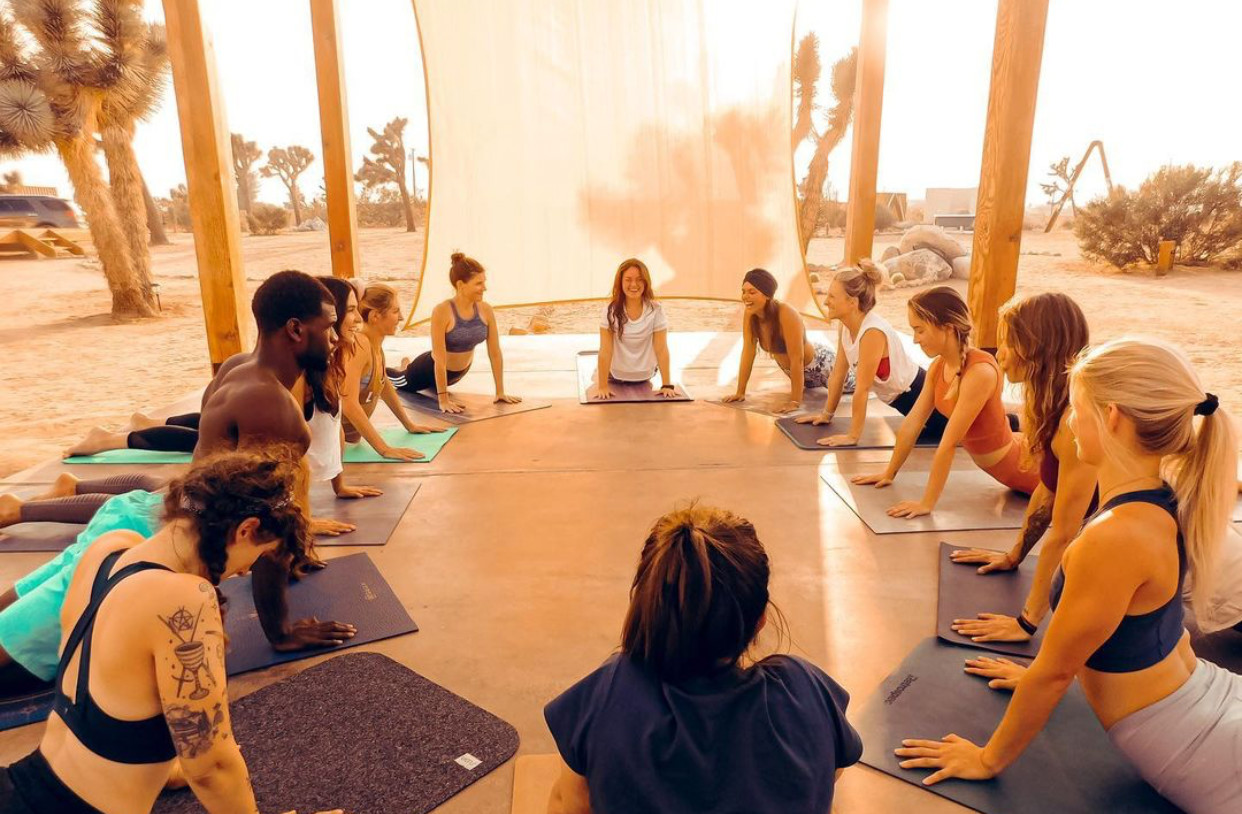
If you've ever considered joining a yoga teacher training, you've probably wondered, "What do you actually learn during the program?"
Many people assume a yoga teacher training is simply about learning poses or memorizing sequences. While you'll certainly deepen your physical practice, a 200-hour Yoga Teacher Training (YTT) is a comprehensive exploration of yoga as a philosophy, lifestyle, and healing practice.
Whether your goal is to become a yoga instructor or simply deepen your own practice, the knowledge gained during a teacher training extends far beyond the yoga mat.
Yoga Philosophy and History
One of the most fascinating aspects of yoga teacher training is learning about the origins of yoga and the wisdom that has guided practitioners for thousands of years.
Students explore topics such as:
The history and evolution of yoga
The Eight Limbs of Yoga
The Yoga Sutras
Yogic ethics and values
Traditional yogic lifestyle practices
Understanding the philosophy behind yoga helps transform it from a workout into a lifelong practice of self-awareness and personal growth.
Functional Anatomy and Biomechanics
A strong yoga teacher training includes a thorough study of anatomy and movement.
You'll learn how the body functions during yoga practice, including:
Major muscles and joints
Spinal movement
Joint stability and mobility
Common injuries and contraindications
Safe alignment principles
Modifications for different bodies and abilities
Rather than trying to fit every body into the same posture, students learn how to adapt yoga to support individual needs safely and effectively.
Asana (Yoga Postures)
Asana, or physical postures, are one of the most recognizable parts of yoga.
During teacher training, you'll develop a deeper understanding of:
Proper alignment
Pose benefits and contraindications
Modifications and variations
Transitions between postures
Peak pose preparation
Intelligent sequencing
You also begin to understand the intention behind each posture rather than simply moving through shapes.
Breathwork (Pranayama)
Breath is considered one of the most powerful tools in yoga.
Students learn traditional pranayama techniques that help regulate energy, calm the nervous system, and cultivate mindfulness.
Common practices include:
Diaphragmatic breathing
Alternate nostril breathing
Ujjayi breath
Kapalabhati
Box breathing
Breath retention techniques
Many students continue using these practices long after graduation to support everyday wellbeing.
Meditation and Mindfulness
Yoga teacher training offers many opportunities to cultivate stillness.
Students explore a variety of meditation styles, including:
Breath meditation
Loving-kindness meditation
Guided visualization / Trataka
Walking meditation
Body scan meditation
Seed sounds
Mantra meditation
Silent sitting practice
These techniques help improve focus, reduce stress, and create a deeper sense of presence in daily life.

Yoga Sequencing and Class Design
If you choose to teach, you'll learn how to create safe, balanced, and meaningful yoga classes.
Topics often include:
Structuring a yoga class
Building effective sequences
Theme development
Balancing strength and flexibility
Creating peak pose sequences
Adapting classes for different levels
Even students who never teach often find this knowledge enhances their own personal practice.
Teaching Methodology and Communication
Teaching yoga involves much more than demonstrating poses.
Students learn how to:
Give clear verbal cues
Demonstrate safely
Hold space for others
Offer modifications
Build confidence while teaching
Create inclusive environments
These communication skills often transfer into everyday life and professional careers beyond yoga.
Yin, Restorative, and Other Styles of Yoga
Most comprehensive teacher trainings introduce students to multiple styles of yoga beyond Vinyasa.
Depending on the program, you may experience:
Hatha Yoga
Yin Yoga
Restorative Yoga
Yoga Nidra
Karma Yoga
Gentle Flow
Meditation practices
Sound healing
Mantra and chanting
Exploring different styles helps students discover which practices resonate most deeply with them.
Personal Growth and Self-Discovery
Perhaps the most meaningful lessons aren't found in textbooks at all.
Immersive yoga teacher trainings encourage students to slow down, disconnect from daily distractions, and reconnect with themselves.
Many graduates describe experiencing:
Increased self-confidence
Greater emotional resilience
Improved stress management
Healthier habits
A deeper sense of purpose
Lifelong friendships
A renewed appreciation for life
These personal transformations often become the most valuable takeaway from the entire experience.
More Than a Certification
While a 200-hour yoga teacher training provides the education needed to begin teaching yoga, its true value extends far beyond certification.
It is an opportunity to study movement, philosophy, mindfulness, anatomy, breath, and self-awareness while immersing yourself in a supportive community dedicated to growth and healing.
Whether you dream of teaching classes or simply want to deepen your own practice, yoga teacher training offers knowledge and tools that can positively influence every area of your life.
By the end of the journey, you'll likely realize that the greatest lessons weren't just about yoga—they were about yourself.


Comments